When We Gaze Back
When We Gaze Back: De-obscuring the Camera, Illuminating Queer Countervisuality
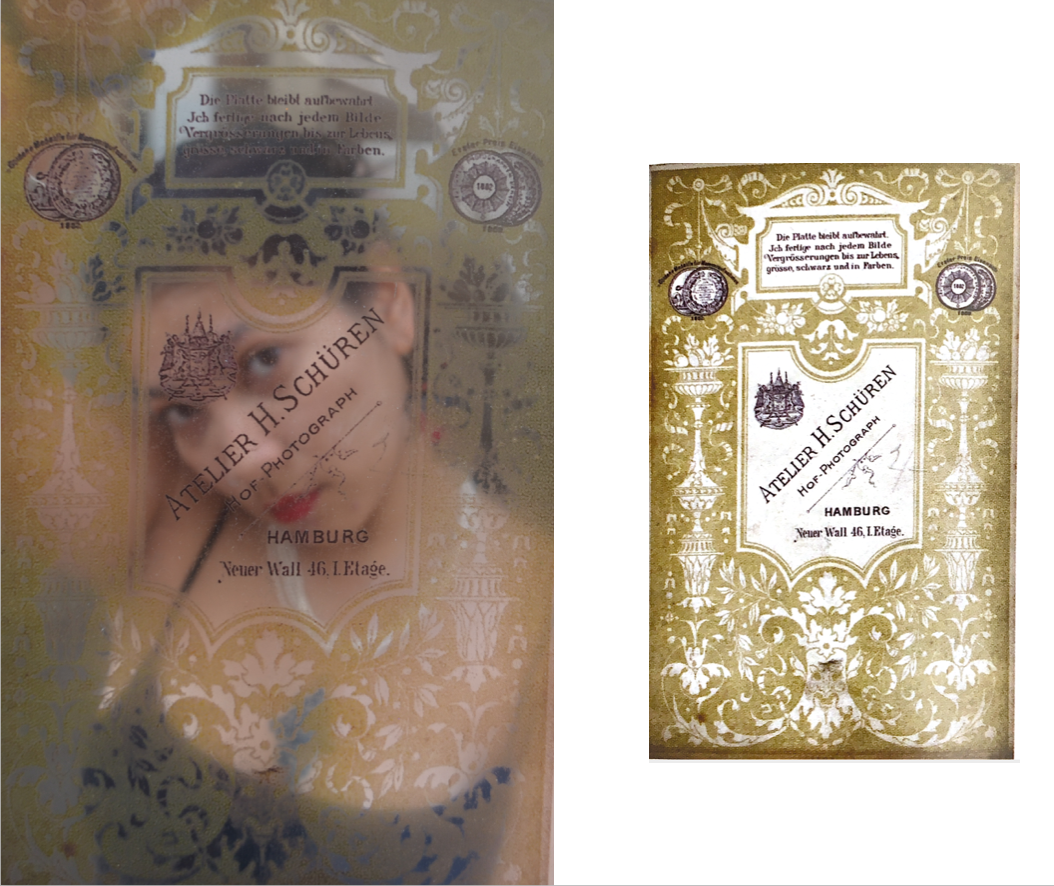
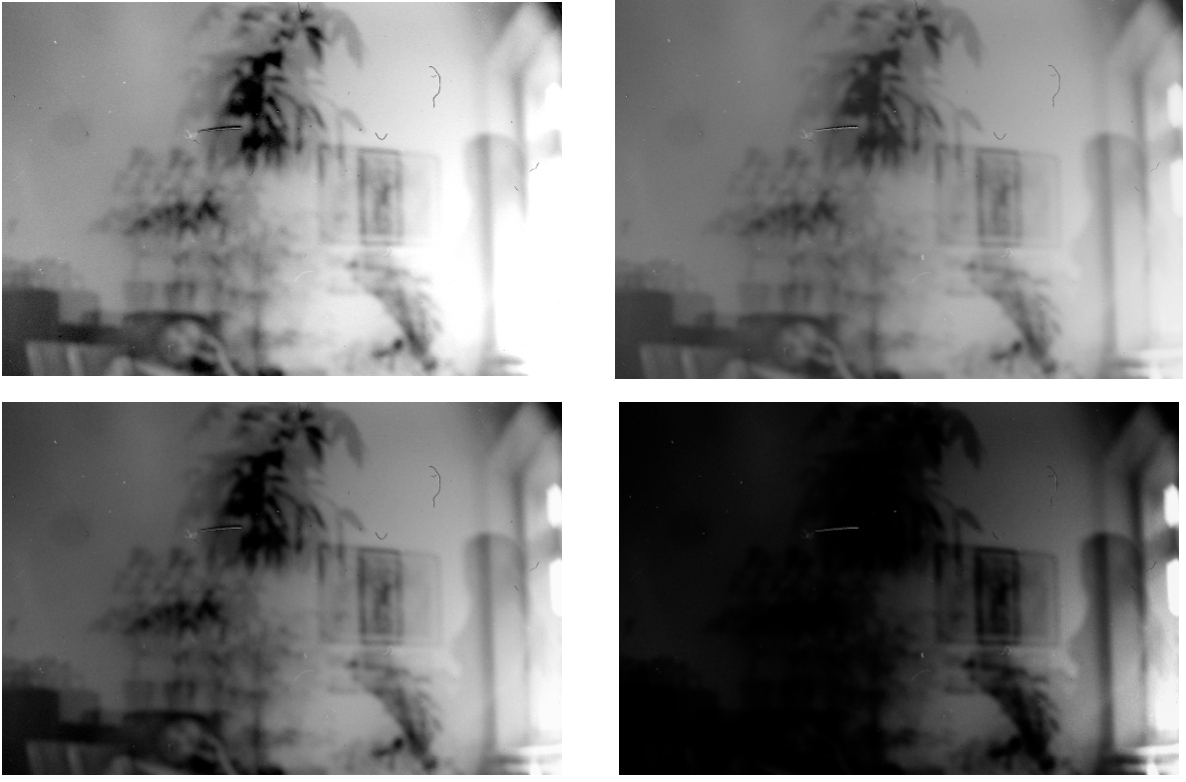
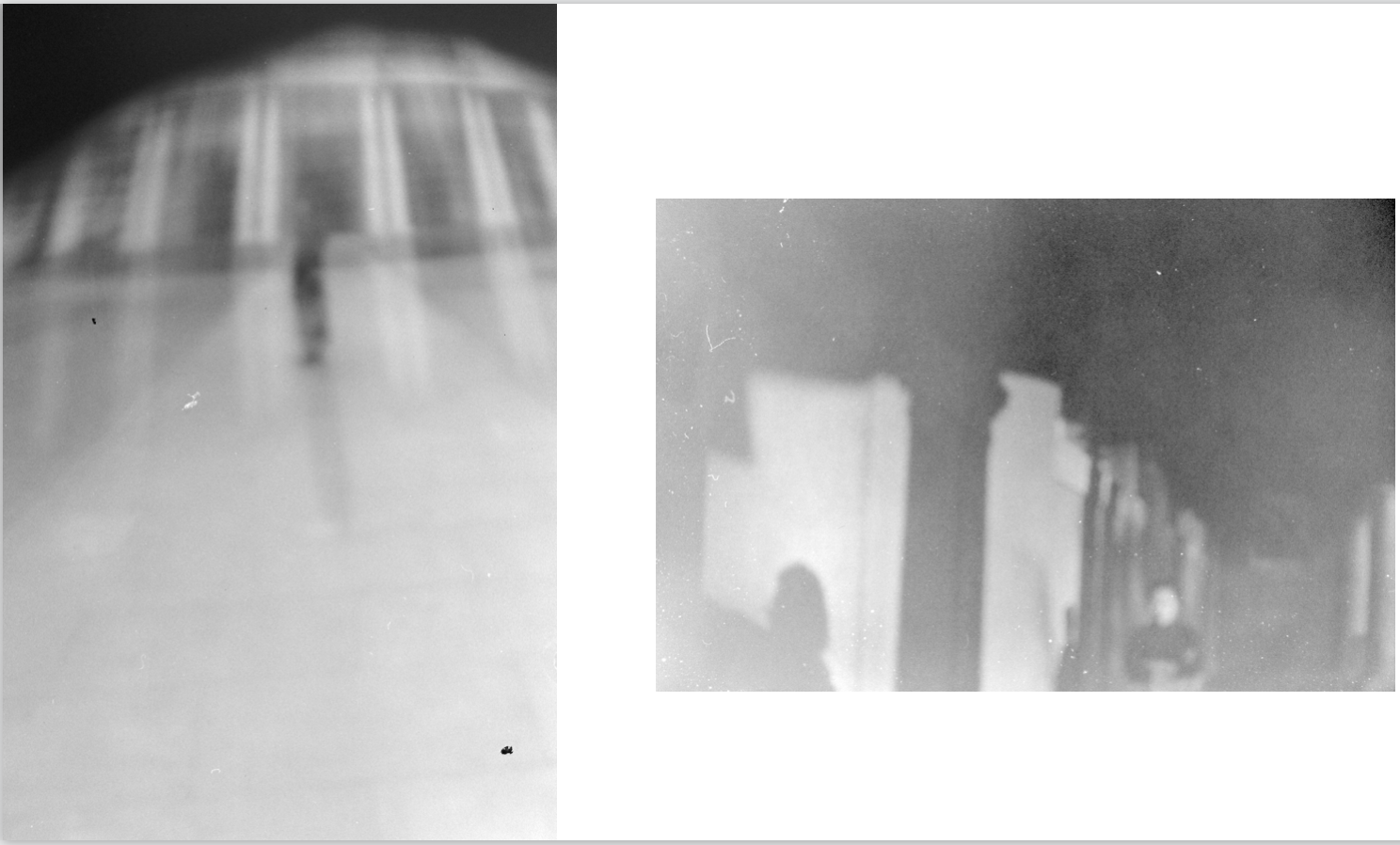
She stands with her own camera and gazes at the studio where her ancestors had been forced to pose. She points her camera obscura at this space of epistemic violence and snaps a photo. Looking back - both literally and metaphorically - through the lens of the pinhole camera, I explore my embodied self in third person, and the spatiotemporal relationship of the gaze through the art of photography, especially from a place which my ancestors were once photographed.
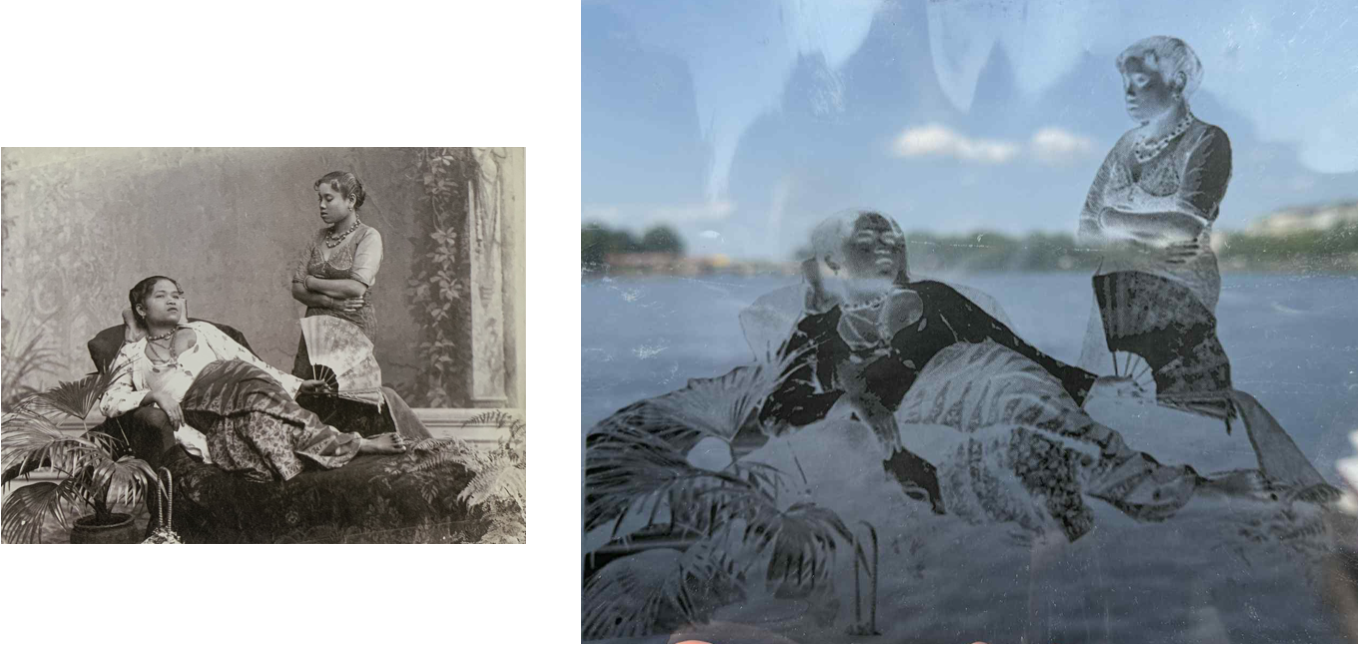
As a Thai-Malay queer woman, I feel my way through colonial type photos of Malay women and portraits of the Siamese king’s Malay wives made by German photographers in Singapore and Bangkok during the 19th century. I then reproduce these photos from the angle of the former photographic subject, reflecting on these temporal tensions between presence and absence, memory and history. Using photography as a knowledge-finding method, I disrupt the colonial gaze by reshaping these images into a queer archive that (re)claims and (re)defines these women. I attempt to create a counter-archive of Queer women in Patani through Nicholas Mirzoeff’s theory of countervisuality, where I explore the political and affective dimensions of reclaiming visual agency in the aftermath of colonial and epistemic violence. The critical fabulation of this Malay woman image now holding her own camera, captures this countervisual act. She looks back not only at the studio where histories were once fixed but at the visual regimes that have long defined who is seen and how. In this turning of the gaze, the ‘obscura’—the darkness of the colonial archive—is brought to the fore, illuminated by a contemporary queer regional imagination.